
Can eating certain foods really improve your hormones?
Yes! There are foods that provide our body with the nutrient necessary to make healthy hormone levels. There are also foods that support the liver and the proper metabolism of our hormones, which helps to prevent accumulation of certain hormones. Incorporating these hormones supportive foods in your diet can help keep your hormones in balance and prevent/reduce period problems.
Although there is limited research on nutrition and hormones, this doesn’t mean these holistic health practices have no benefits. It just means that these benefits haven’t been studied and proven effective.
Scientific research is expensive and time-consuming. These two factors make it easy for pharmaceutical companies or hospitals to get funding to research a new drug or treatment protocol.
But this also makes it fairly prohibitive for studies on food or other alternative medical treatments to occur. There just aren’t many people who will provide funding to study whether or not seed cycling can help support women’s menstrual cycles.
It’s well known that there is a massive gender bias in clinical research and it’s only been about 20-30 years since women were even required to be included in clinical trials. Studying the menstrual cycle and the factors that influence it just isn’t a high priority on the list of medical research topics.
Because of this, we frequently have to rely on anecdotal evidence, along with our own best judgment, to determine if these holistic practices have any benefit.
With all that said, let’s move on to my favorite go-to hormone balancing foods! Let’s go!
Favorite #1: Seeds
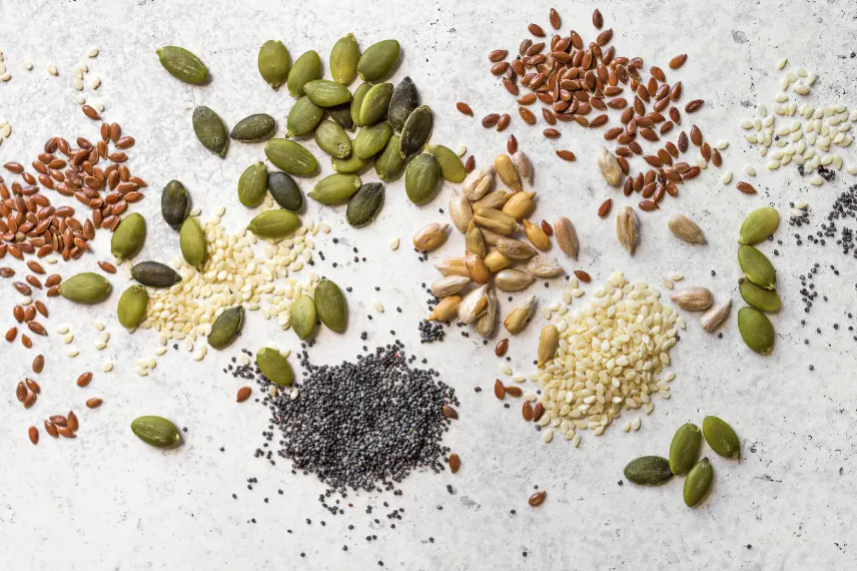
In general, adding more seeds to your diet can increase your fiber and omega 3 intake. This can help with digestion and give you anti-inflammatory benefits. If you want to use seeds more specifically for hormone balance, then we need to talk about seed cycling!
Seed cycling is a natural approach that some people use to support hormonal balance, particularly in relation to the menstrual cycle. It involves incorporating specific seeds into the diet during different phases of the menstrual cycle to potentially regulate estrogen and progesterone levels. The concept is based on the nutritional content of certain seeds and their potential impact on hormone metabolism.
It’s important to note that seed cycling doesn’t directly provide your body hormones the way something like birth control does.
Seed cycling simply provides you with nutrients and naturally-occurring plant compounds that help you create and properly metabolize your own hormones.
Here’s a basic overview of seed cycling:
1. Follicular Phase (Days 1-14):
- Consume one to two tablespoons each of ground flaxseeds and pumpkin seeds daily.
- These seeds are believed to support estrogen metabolism and promote the production of estrogen during the follicular phase.
2. Luteal Phase (Days 15-28):
- Consume one to two tablespoons each of ground sesame seeds and sunflower seeds daily.
- These seeds are thought to support progesterone production during the luteal phase.
The idea is that the specific nutrients in these seeds, such as lignans in flaxseeds and zinc in pumpkin seeds, may influence hormone balance. Flaxseeds, in particular, contain compounds called lignans that can act as phytoestrogens, which may help modulate estrogen activity.
The omega-3 fatty acids, minerals, lignans, and vitamins contained in these seeds are essential building blocks for our sex hormones.
Try adding more seeds to your diet this month! Please note that with dietary changes it can take up to 3 months to see the benefits. Be patient and stick with it!
Favorite #2: Cruciferous Vegetables
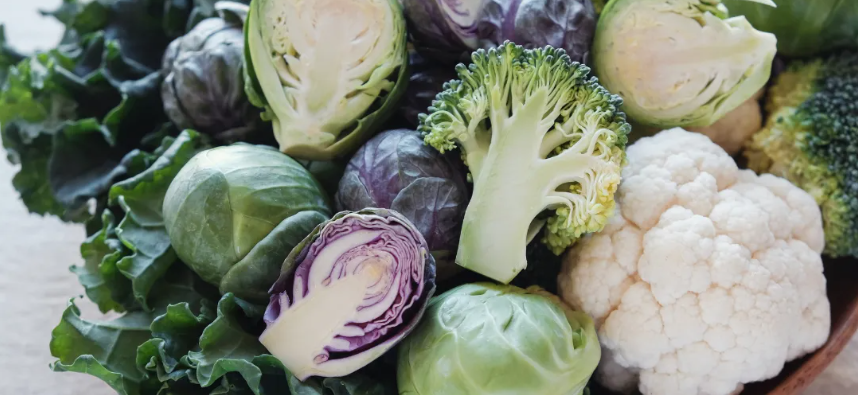
Cruciferous vegetables, such as broccoli, cauliflower, kale, Brussels sprouts, and cabbage, are known for their potential to influence estrogen levels in the body. These vegetables contain compounds called glucosinolates, which can be converted into bioactive substances, including indole-3-carbinol (I3C) and diindolylmethane (DIM).
DIM is a compound derived from the breakdown of indole-3-carbinol, and has gained attention for its potential effects on estrogen metabolism and hormonal balance.
Here are some key points about DIM and its relationship with estrogen:
1. Estrogen Metabolism: DIM is believed to influence estrogen metabolism in the body. It can affect the balance between different forms of estrogen, potentially promoting the conversion of more potent forms of estrogen (such as estradiol) into less potent and less active forms (such as estriol).
2. Estrogen Receptor Activity: DIM may also interact with estrogen receptors, influencing the activity of estrogen in the body. It is thought to have both estrogenic and anti-estrogenic effects, depending on factors such as concentration, tissue type, and the overall hormonal environment.
3. Potential Health Benefits: Due to its impact on estrogen metabolism and receptor activity, DIM has been studied for potential health benefits. Some research suggests that it may have protective effects against certain hormone-related conditions, including breast and prostate cancers.
4. Hormonal Balance: DIM is sometimes used as a dietary supplement by individuals looking to support hormonal balance. It is often promoted for its potential to assist the body in maintaining a healthy estrogen balance, which can help reduced the symptoms of high estrogen.
I always recommend incorporating several servings of cruciferous vegetables throughout the week. Add broccoli sprouts to a sandwich, use shredded cabbage instead of lettuce in your tacos, swap cauliflower rice for regular rice. There are so many ways to incorporate more of these veggies into your diet.
Favorite #3: Omega 3 Rich Foods
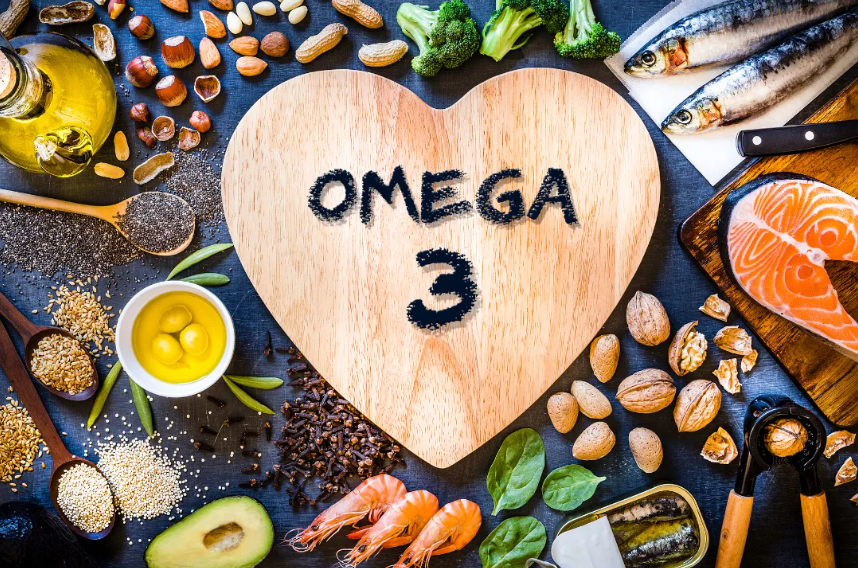
Omega-3 fatty acids are essential polyunsaturated fats that play crucial roles in various physiological processes, including those related to hormonal balance. There are three main types of omega-3 fatty acids: alpha-linolenic acid (ALA), eicosapentaenoic acid (EPA), and docosahexaenoic acid (DHA). Here’s how omega-3s can impact hormones:
1. Anti-Inflammatory Effects: Omega-3 fatty acids, particularly EPA and DHA, have anti-inflammatory properties. Chronic inflammation can disrupt hormonal balance and contribute to various health issues. By reducing inflammation, omega-3s may help support overall hormonal health.
2. Cell Membrane Structure: Omega-3 fatty acids are essential components of cell membranes, influencing the fluidity and function of cell membranes. This can affect the responsiveness of cells to hormones, including those involved in insulin sensitivity and metabolic regulation.
3. Brain Health: DHA, in particular, is highly concentrated in the brain and is crucial for brain health. Hormones such as serotonin and dopamine, which play roles in mood regulation, are influenced by omega-3 fatty acids.
4. Hormone Production: Omega-3s are involved in the production of hormones, including eicosanoids, which are signaling molecules derived from fatty acids. Eicosanoids have various functions in the body, including immune response and inflammation regulation.
5. Regulation of Sex Hormones: Omega-3s may play a role in regulating sex hormones, including estrogen and progesterone. Balanced levels of these hormones are essential for reproductive health and overall hormonal balance.
6. Insulin Sensitivity: Omega-3s may contribute to improved insulin sensitivity. Insulin is a hormone that plays a key role in blood sugar regulation, and maintaining proper insulin sensitivity is crucial for metabolic health.
7. Fertility: Adequate omega-3 intake may positively impact fertility by supporting hormonal balance, particularly in women.
To incorporate more omega-3 fatty acids into your diet, consider the following sources:
• Fatty fish: Salmon, mackerel, sardines, and trout
• Flaxseeds
• Chia seeds
• Walnuts
• Hemp seeds
• Algal oil (a plant-based source of DHA for those following a vegetarian or vegan diet)
Final Thoughts
There are so many foods that benefit our hormones. These are just my top 3! If you would like meal ideas incorporating these foods, check out my Hormone Balancing Recipes!
Other foods to consider – berries, beans and healthy fats like avocado and coconut oil. I discuss diet and hormones in great detail in my Hormone Harmony Method program. This is a 4-month online program where I teach how to balance your hormones naturally. We talk about ALL the hormones, not just estrogen. Stress hormones, blood sugar hormone and so much more! When your body is in balance, you feel AMAZING! Your skin is clear, weight loss is easy, mood is stable and your periods are a breeze. To learn more, check my program here.